Buyer Guide
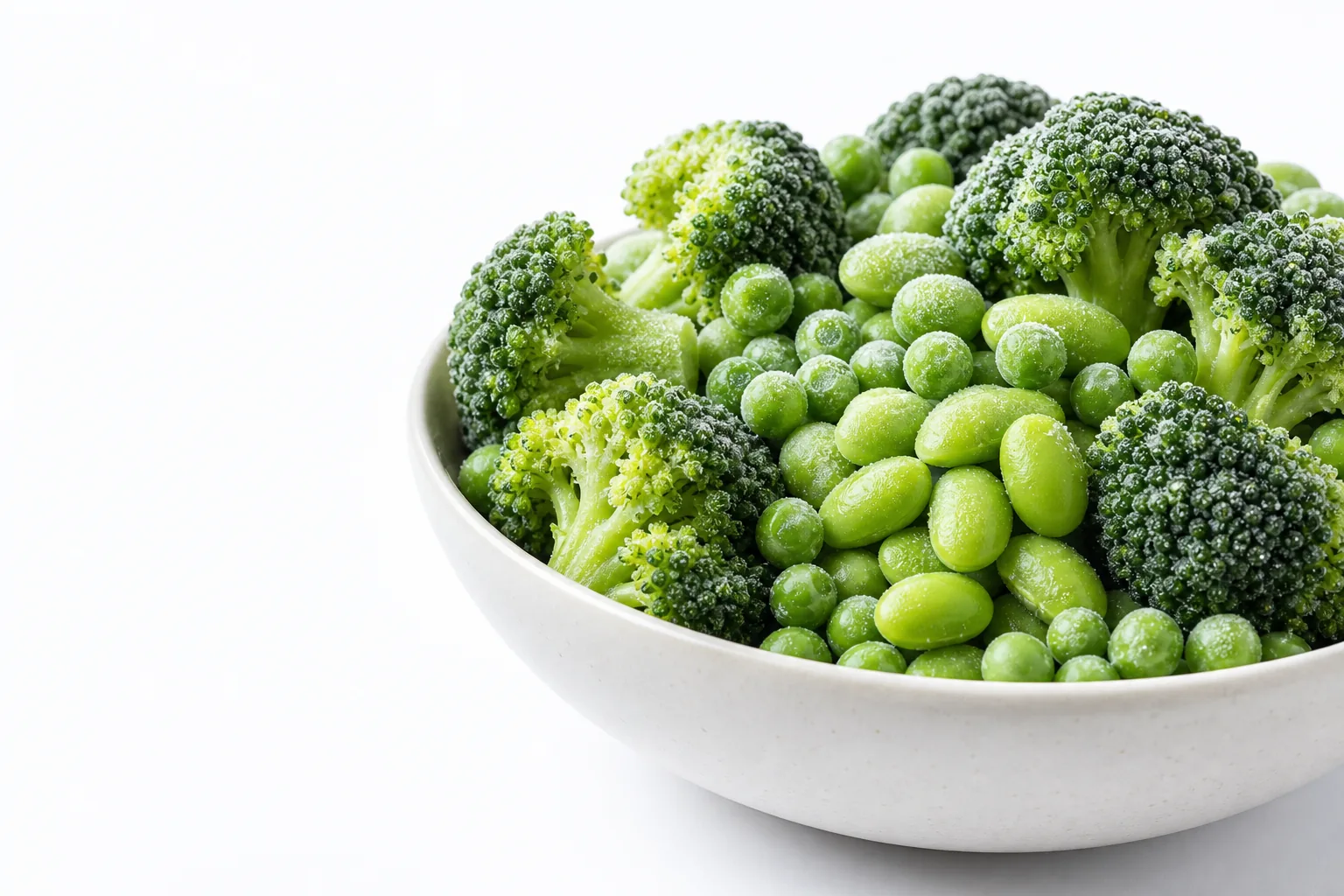
Why Choose Frozen Vegetables? Evidence-Based Benefits for Food Buyers
A practical, evidence-led review of nutrition, availability, portion control, consistency and waste considerations for professional buyers.
Read articleGLORIA FOOD BLOG
Practical articles for importers, wholesalers, retail teams and foodservice buyers—built from peer-reviewed research and official food standards.
Sources, limitations and fact-check dates shown clearlyBuyer Guide
A practical, evidence-led review of nutrition, availability, portion control, consistency and waste considerations for professional buyers.
Read article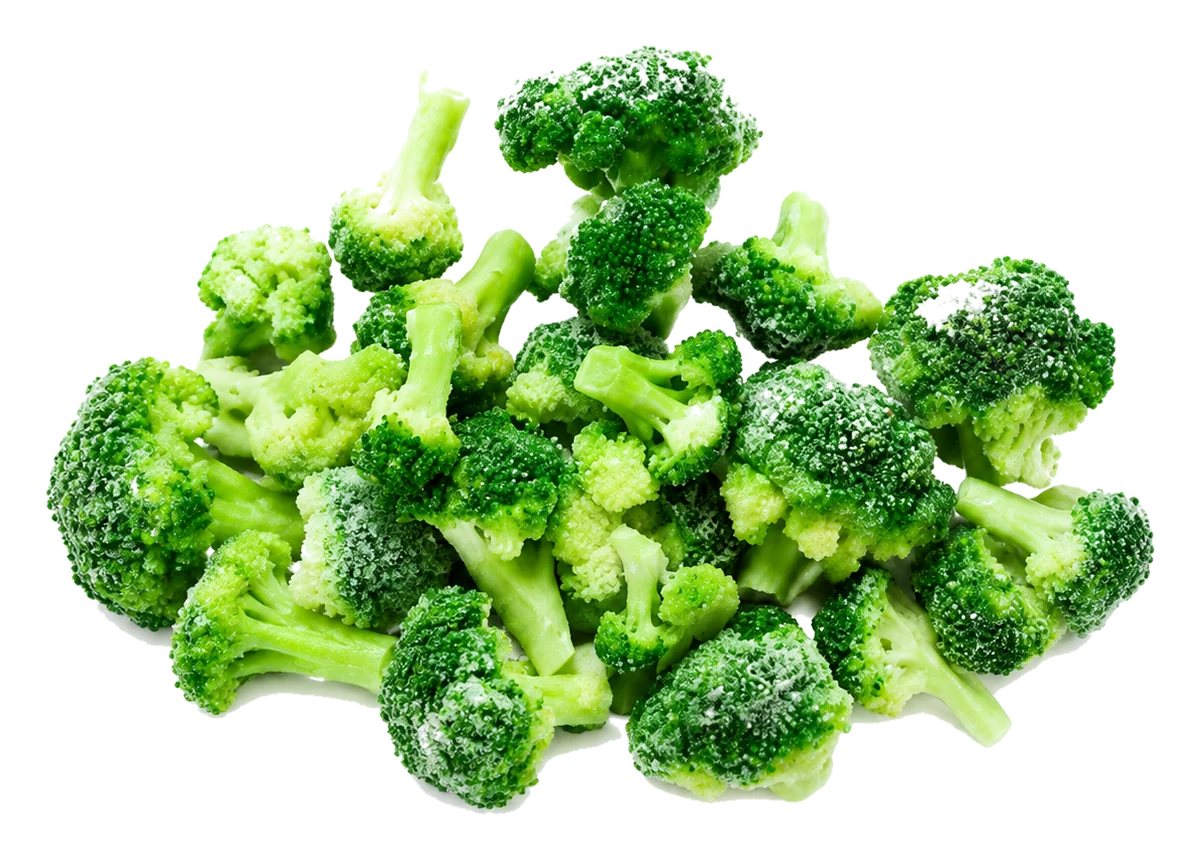
Food Science
What IQF means, how freezing rate affects ice crystals, why blanching and packaging matter, and what buyers should verify.
Read article
Procurement Comparison
A balanced comparison of nutrition, texture, usable yield, waste, labour and sourcing decisions—without declaring one format universally better.
Read articleUS Buyer Guide
A practical checklist for defining IQF broccoli cuts, tolerances, packaging, documentation and destination requirements before requesting a quotation.
Read article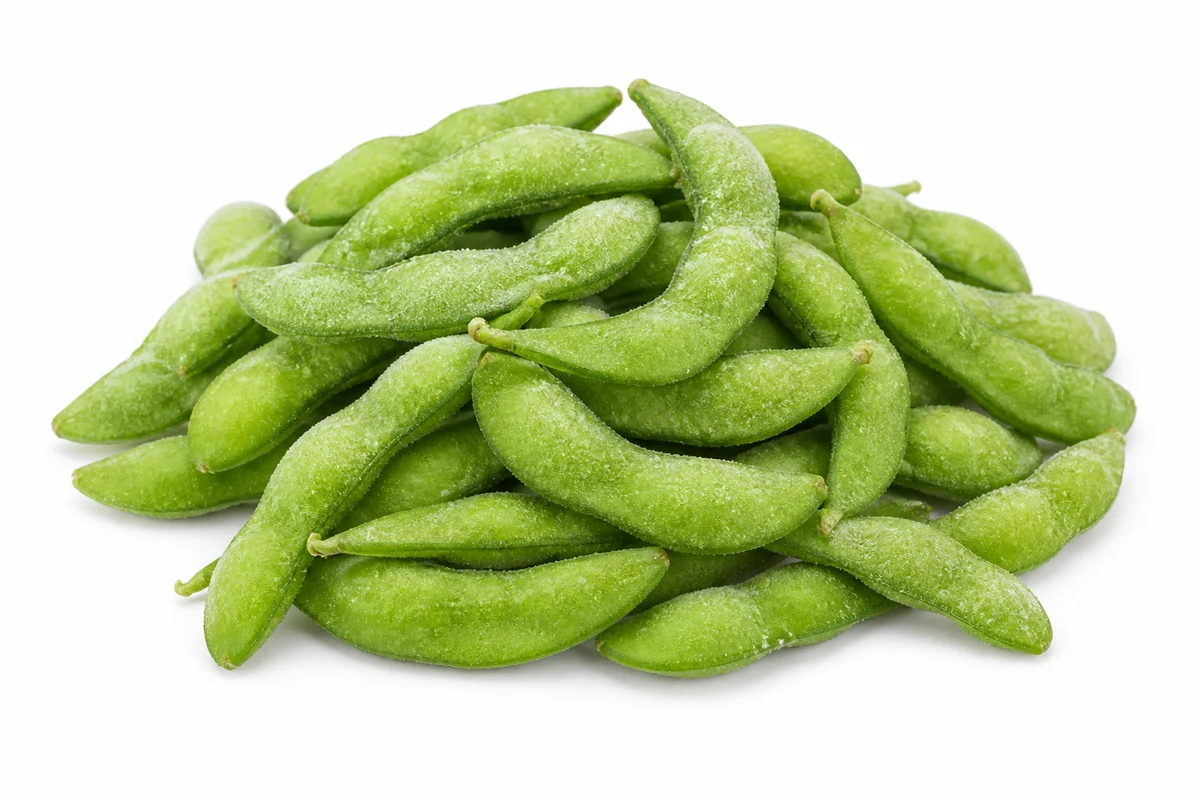
Japan Buyer Guide
How buyers can brief whole-pod and shelled edamame requirements without leaving critical product, sensory, packaging or destination details undefined.
Read article
South Korea Buyer Guide
A sourcing brief for defining green bean cuts and custom frozen vegetable blends for South Korean distribution and food manufacturing programs.
Read article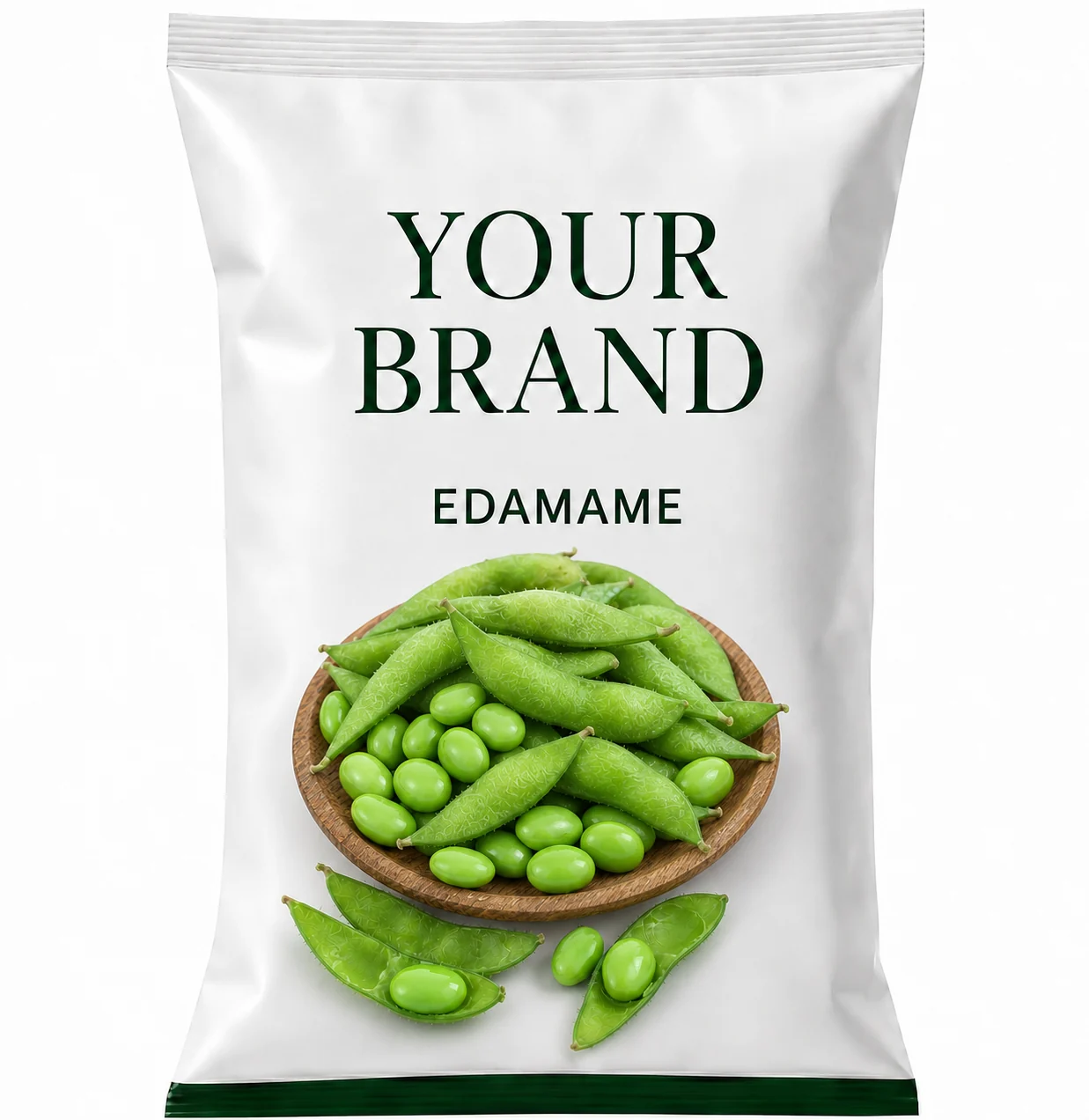
Canada Buyer Guide
A buyer checklist for translating a Canadian private-label concept into a controlled pack, artwork and product approval brief.
Read article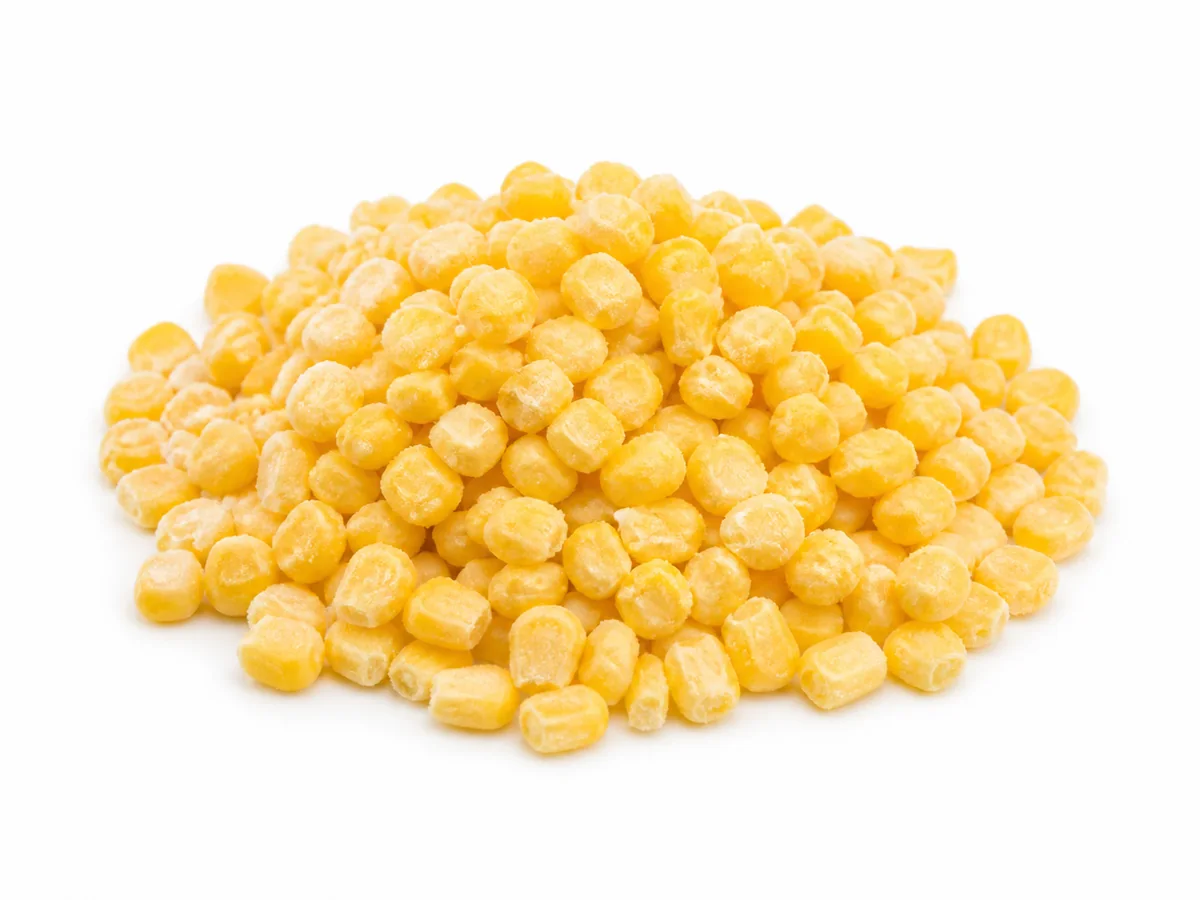
Australia Buyer Guide
How to specify IQF sweet corn kernels or cob cuts for an Australian retail, foodservice or manufacturing enquiry.
Read articleRFQ Guide
A reusable RFQ framework covering product, specification, application, packaging, volume, destination, timing and qualification evidence.
Read articleOUR REVIEW STANDARD
Each article separates evidence from commercial interpretation, links numbered statements to complete sources, and states important limits or counterexamples. Articles are reviewed for factual accuracy on the date shown; they are not personal nutrition, medical or legal advice.