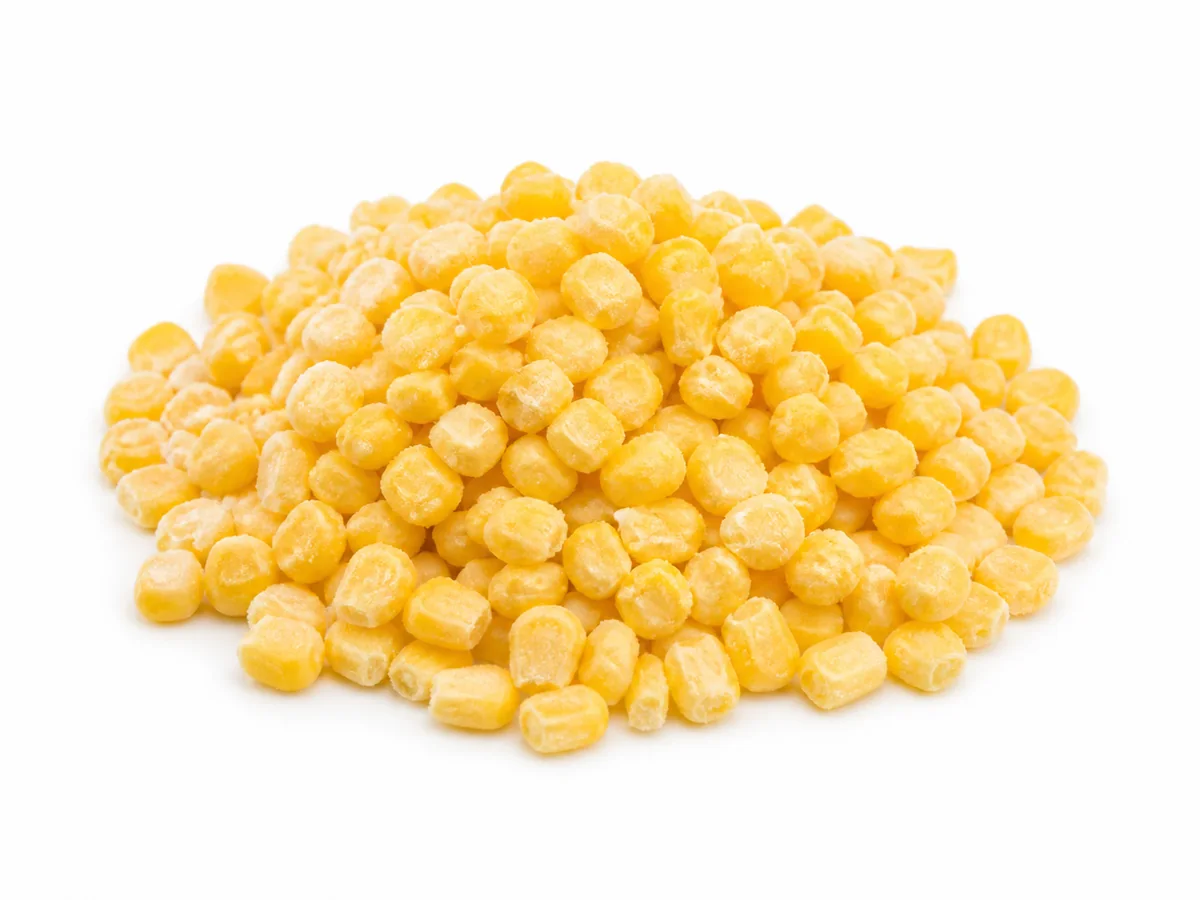
Frozen sweet corn can be supplied as kernels or cob cuts, and those formats should not share an ambiguous RFQ. Kernel size, colour, sweetness, tenderness, defects, separation and pack requirements affect both suitability and price comparison.
Australian import and biosecurity requirements must be confirmed by the responsible importer for the exact commodity, processing condition, origin and route. This guide covers the commercial product brief needed before that final review.
1. Specify the physical format
For kernels, describe size uniformity, colour, loose-flow condition, broken or damaged pieces and foreign material expectations. For cob cuts, define piece length, diameter range and acceptable cutting damage.
Include blanching or preparation expectations and the intended cooking method. Codex offers a reference framework for quick-frozen sweet corn, but buyer tolerances still need to be stated.[1]
2. Describe sensory performance
State the target balance of sweetness and tenderness after preparation. Use a consistent heating method during sample comparison and record whether liquid loss, colour or texture changes during holding matter to the application.
A foodservice side, retail pack and manufacturing ingredient can require different calibrations and tolerance levels. The application should therefore appear in the first RFQ.
3. Complete commercial and destination details
Include pack weight, case configuration, estimated volume, destination port and timing. If private label is required, identify artwork and compliance responsibilities.
Confirm current import, biosecurity and label requirements with the responsible Australian importer or adviser before shipment. Avoid treating a general guide as a final clearance decision.
REFERENCES
Sources
- Codex Alimentarius Commission (2015; amended 2022). “Standard for Quick Frozen Vegetables, CXS 320-2015.” FAO/WHO.Open source
This article is written for professional food buyers and does not provide individual nutrition, medical or legal advice.