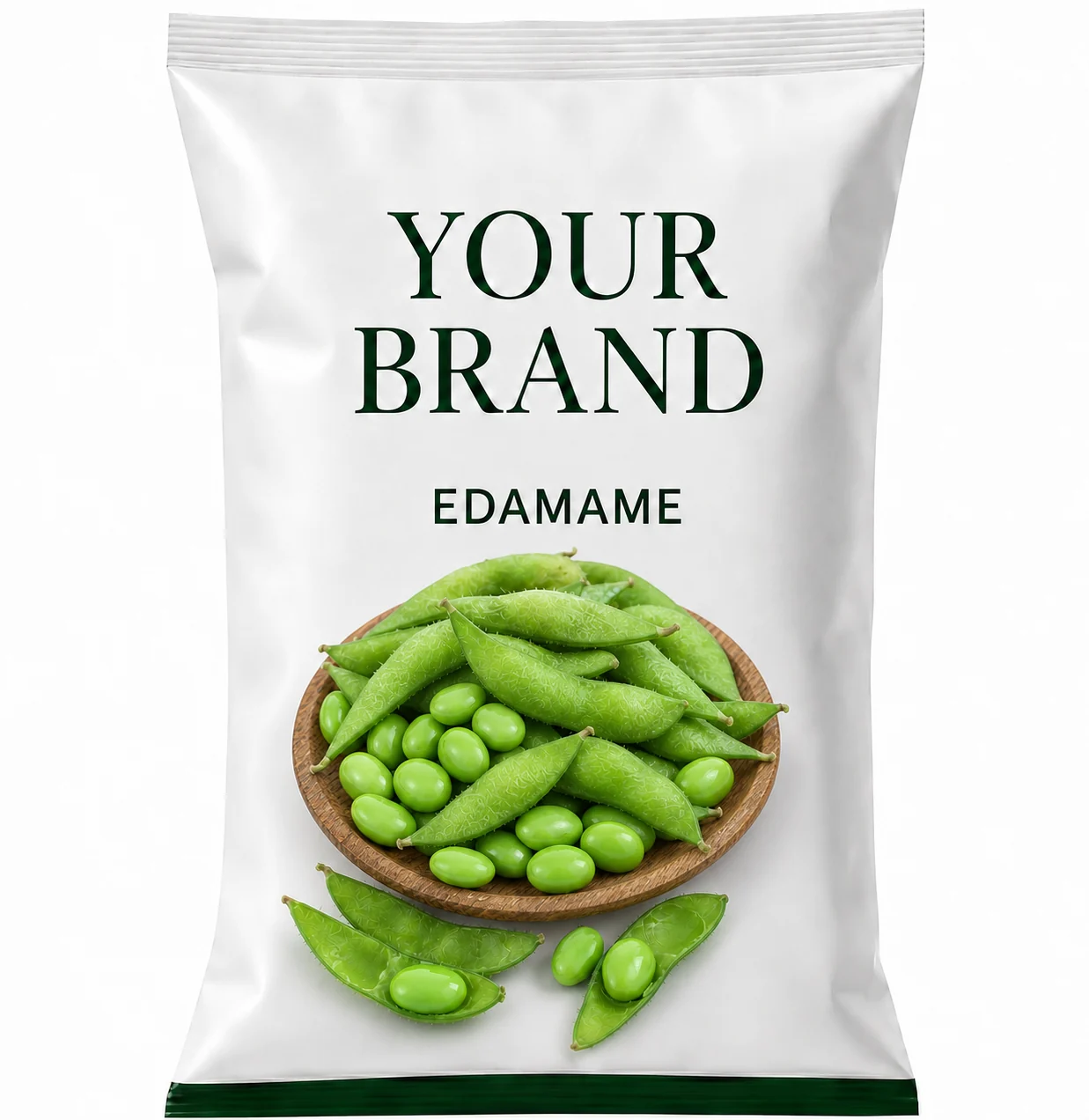
Private-label preparation is more than placing artwork on a bag. The buyer must connect the approved product specification, net quantity, packaging construction, label copy, coding, cases and pallet requirements into one controlled brief.
Canadian legal and bilingual label compliance should be reviewed by the responsible importer or qualified adviser for the final product. The manufacturing partner needs approved, production-ready instructions rather than assumptions.
1. Separate product and packaging approval
Confirm the vegetable, cut, calibration, tolerances and sensory performance first. Packaging dimensions and artwork cannot compensate for an undefined product.
Record the approved sample or specification version that the pack will contain. If the product changes, assess whether declarations, images or preparation instructions also need review.
2. Build the packaging brief
State pack weight, bag dimensions, material or performance requirement, seal expectations, case count, outer case marks, date or lot coding and pallet configuration. Include the expected packing environment and frozen distribution conditions.
Assign who supplies and approves label copy, translations, nutrition information, claims, barcodes and print-ready files. Do not assume the factory is the regulatory owner for the destination market.
3. Create an approval trail
Use clear file names and version numbers for dielines, artwork and specifications. Require approval before printing and define how obsolete versions are withdrawn.
Ask for pre-production or first-production checks appropriate to the project. Documentation should be linked to the selected product and manufacturing partner, not presented as a universal capability claim.
REFERENCES
Sources
- Codex Alimentarius Commission (1985; amended 2024). “General Standard for the Labelling of Prepackaged Foods, CXS 1-1985.” FAO/WHO.Open source
This article is written for professional food buyers and does not provide individual nutrition, medical or legal advice.