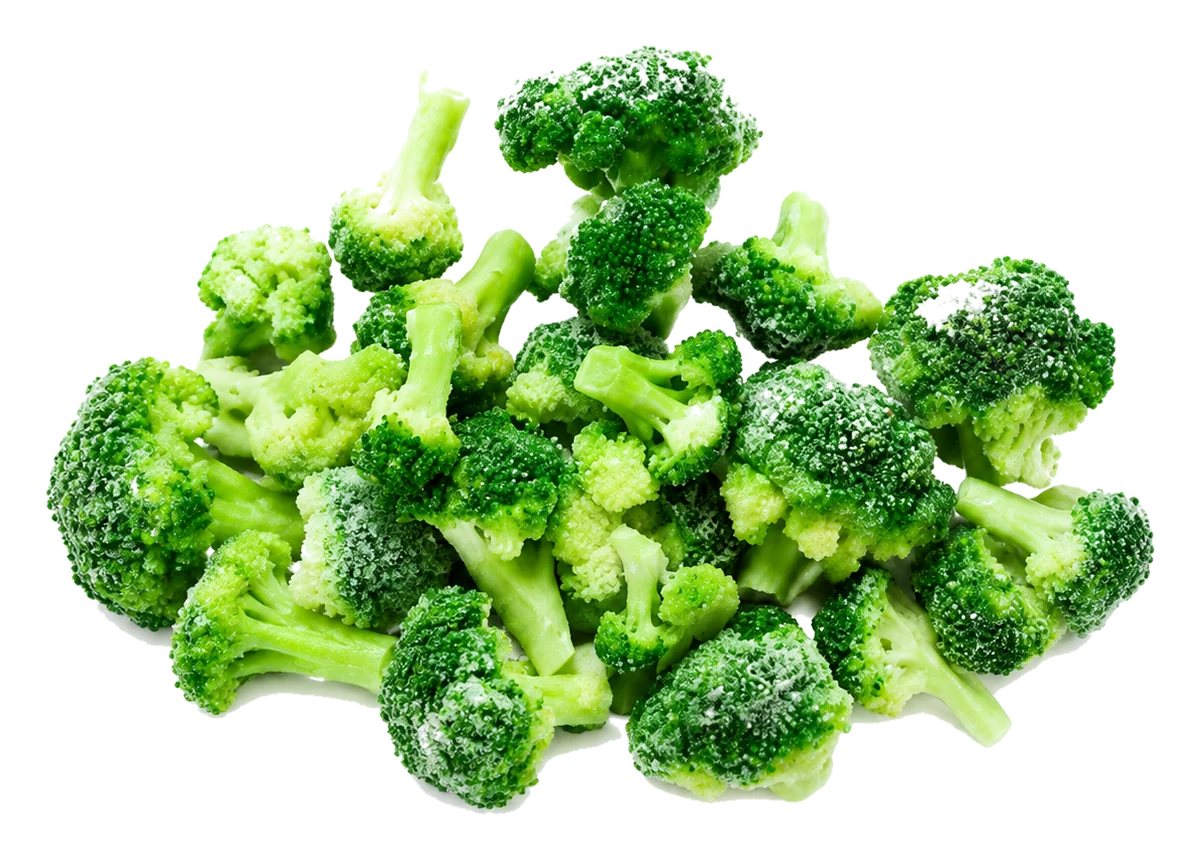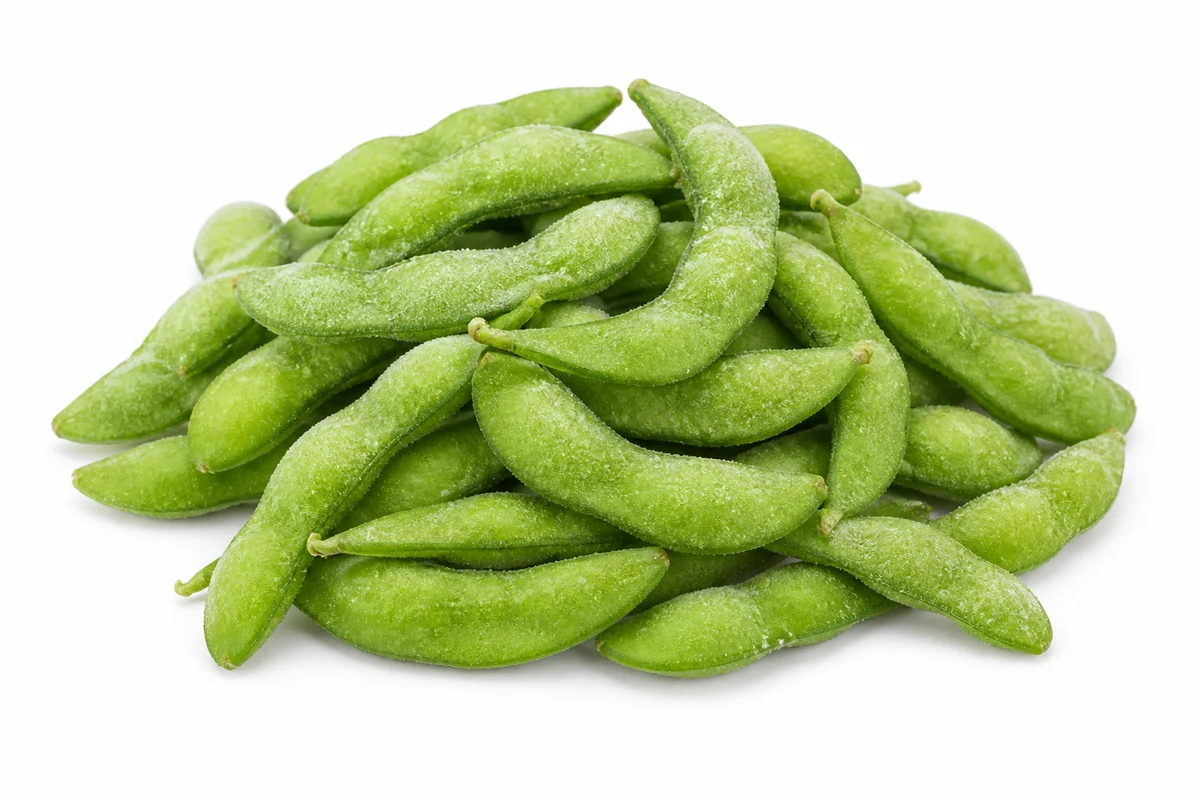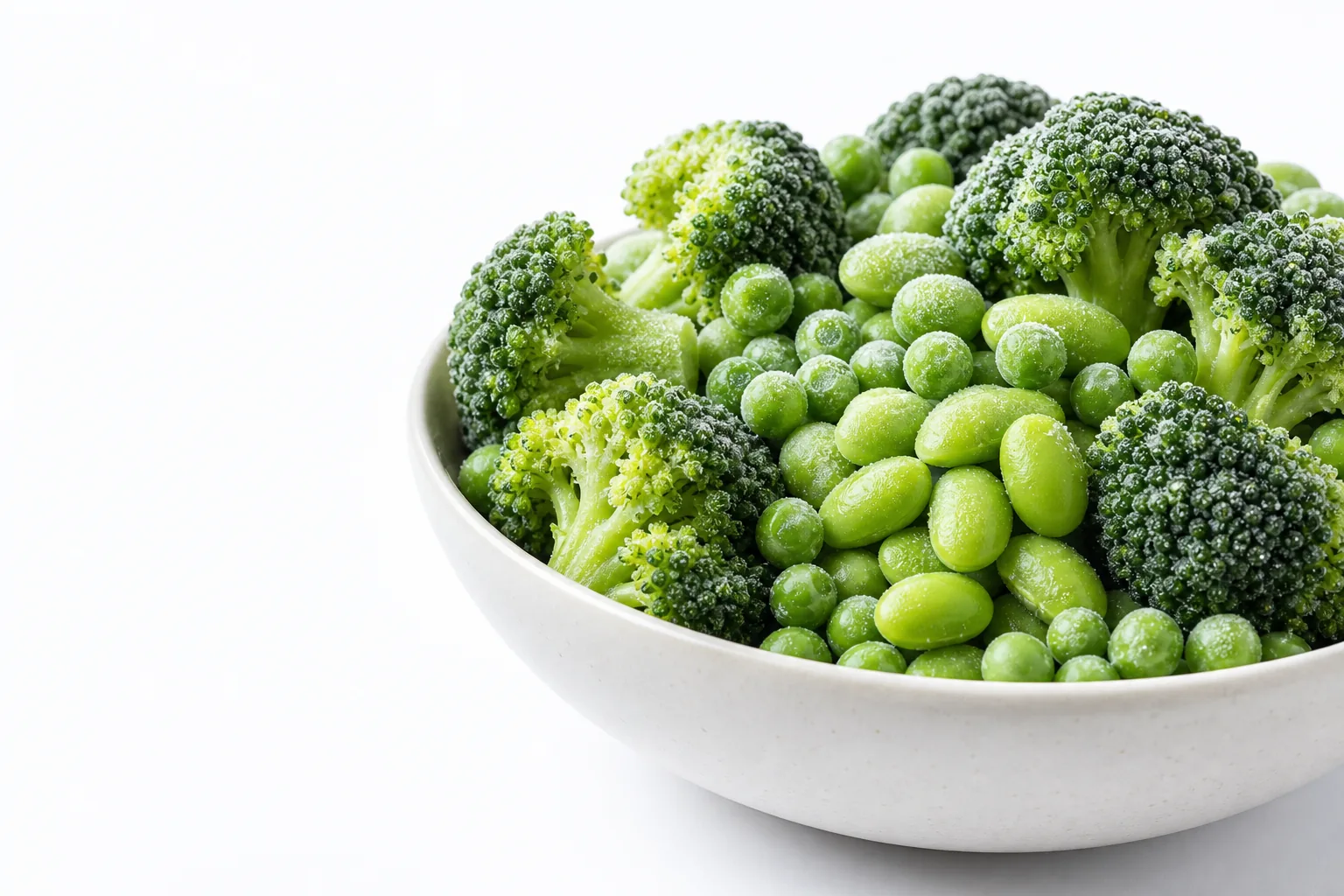
An RFQ is most useful when every supplier is pricing and assessing the same requirement. A product name and destination are not enough: the brief should define physical format, quality expectations, application, packaging, commercial volume and timing.
The goal is not to produce a long document for its own sake. It is to remove assumptions that would otherwise appear later as sample rejection, artwork delay, re-quotation or shipment risk.
1. Product and specification
Name the vegetable, variety where relevant, whole or cut format, calibration, blanching status, colour and sensory target. Add tolerances for defects, broken pieces, foreign material and free-flow performance where those factors matter.
Codex defines the broad quick-frozen framework, including rapid freezing and frozen storage condition, but it does not replace the buyer's agreed commercial specification.[1]
2. Application and sample review
State whether the product is for retail, foodservice, ready meals, soup, sauce, repacking or further manufacture. Explain how samples will be cooked or processed and what acceptance observations will be recorded.
Ask that the sample, specification and later order are traceable to the proposed product and manufacturing program. A visually attractive sample without a reproducible specification is not sufficient.
3. Packaging and logistics
Define inner pack, net weight, outer case, private-label requirement, coding, pallet constraints, frozen storage statement and destination port. Identify any temperature-recording or receiving rules.
Include realistic order or annual volume and the required delivery window. Suppliers need these details to assess product matching, pack feasibility and production timing.
4. Qualification and next steps
List the documents or certification scopes your qualification process requires, but ask for current evidence only after the product and factory match is identified. Confirm site, scope and validity rather than relying on certification names alone.
Use the enquiry reference to keep later clarification, samples and approvals connected. If requirements change, issue a revised brief so quotations remain comparable.
REFERENCES
Sources
- Codex Alimentarius Commission (2015; amended 2022). “Standard for Quick Frozen Vegetables, CXS 320-2015.” FAO/WHO.Open source
This article is written for professional food buyers and does not provide individual nutrition, medical or legal advice.